
Scope the work
What's changing, what stays, and where tracking needs to be considered from the start.

Theme development, Checkout Extensibility and app integrations, with every layout decision made against conversion data — not a template. Built by the same team that makes the tracking underneath it work.
Built and customised on Online Store 2.0, not bolted onto a stock theme.
Custom checkout steps and upsells built on Shopify's own checkout, not a workaround.
Apps wired together without duplicating data or breaking the tracking underneath.
Six live builds below, more landing as they're approved — the rest of the shelf is placeholder until then.
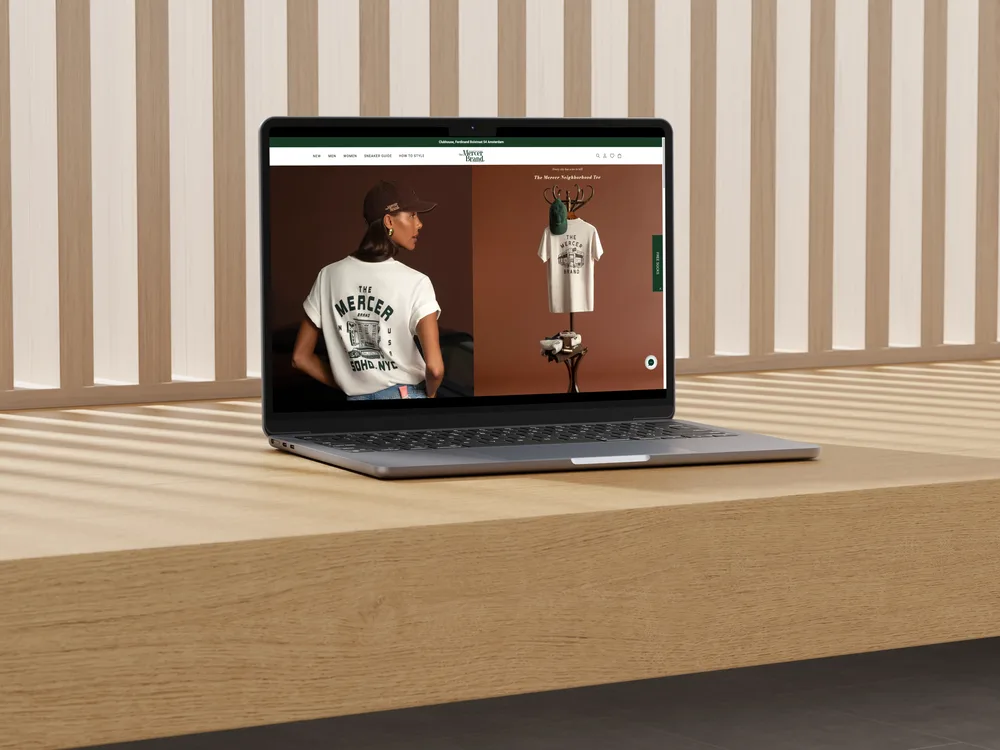
Online Store 2.0 rebuild with a custom Checkout Extensibility upsell step.
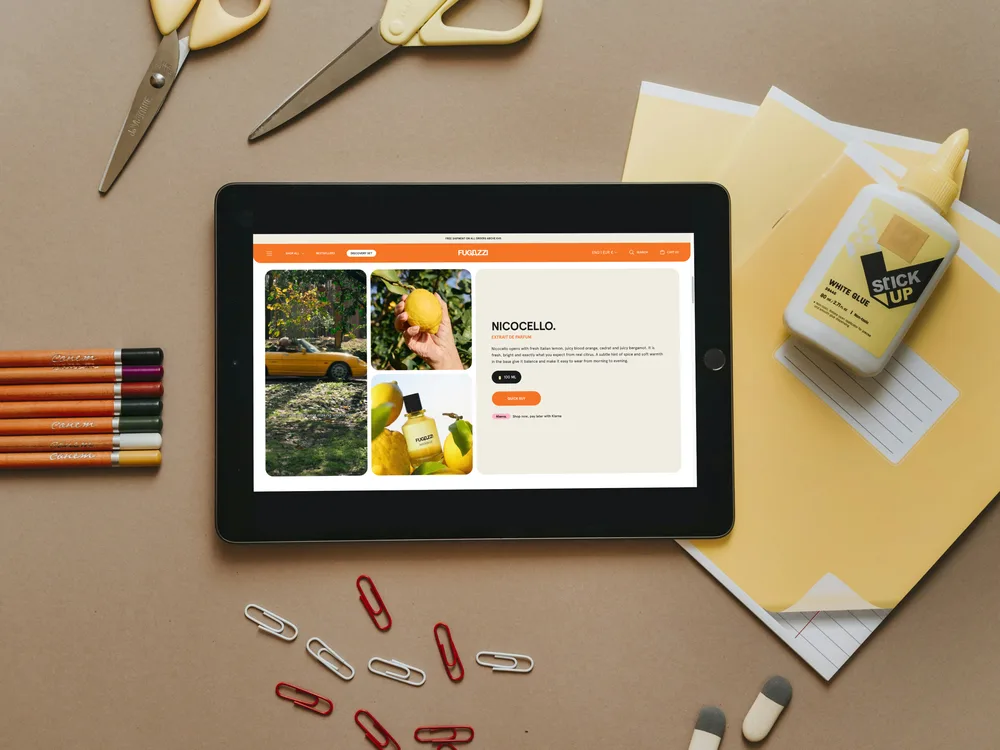
Product page rebuilt around a single primary action, above the fold.

Recurring order logic surfaced directly in the theme, not buried in an app.

Core Web Vitals work that moved the store from a failing to a passing score.

A/B tested landing pages built against the traffic already being paid for.
Every layout choice is made against how people actually move through a store, not a template's default. Design and development happen as one job, judged by what converts.
Every page has a single job. Secondary links don't compete with the button that matters.
Reviews, guarantees and shipping info placed where hesitation actually happens, not buried in a footer.
Fields, steps and upsells are cut or reordered based on where carts actually get abandoned.
Core Web Vitals work isn't a technical checkbox — it's treated as part of the funnel.
Layout decisions are informed by the search terms, funnels and drop-off points already in your account.
Contested layout decisions go through structured A/B testing instead of a design-team vote.
Short clips on what changed once the build and the tracking were handled as one project, not two.
What's changing, what stays, and where tracking needs to be considered from the start.
Theme, checkout and app work done in isolation, reviewed before it touches production.
Checkout, upsells and edge cases tested, including how they interact with tracking.
Migrated to production with a written record of what changed and why.
Clear scope, clear finish line, no drifting retainer. The handover documentation was good enough that our own team could pick it up.
Search terms get read by an actual person every week, not just skimmed by a rule that looked close enough. The list of things we were paying for and did not want was longer than I expected, and nobody had ever shown it to us before. Cutting that waste alone would have paid for the engagement, and it kept paying for itself every month after that.
They were upfront that a perfect match between the platform and our books was never going to happen. What we got instead was a small gap they could explain.
Our Online Store 2.0 rebuild had to carry a post-purchase upsell without breaking a single pixel. Nothing needed re-diagnosing after launch, because the tracking rebuild happened alongside the theme, not after it.
We needed a headless build with subscription logic that our CRM could actually keep up with. They scoped it, built it on a dev store, and QA'd the edge cases before it ever touched production.
Our Core Web Vitals score had been failing for months and nobody could tell us why. They treated speed as part of the funnel, not a technical checkbox, and it moved us to passing within the sprint.
We migrated off a legacy platform we'd been on for years, worried about losing our search rankings overnight. Every redirect was mapped before launch, and our organic traffic never dropped.
Our loyalty and subscription apps needed to talk to each other without duplicating what our CRM already knew. They integrated the stack instead of bolting on another app to manage the other apps.
The team that built our storefront wasn't the team we had to call when something in the handover didn't make sense. It was the same people, so the answers came back the same day.
Both. Plenty of engagements are targeted changes to an existing theme rather than a full rebuild.
Yes — most Shopify builds we run are paired with the Shopify tracking & attribution setup, since the two are easiest to get right together.
No. We work within Shopify's platform and your existing app stack, and only recommend changes where something is actually causing a problem.
Most theme and checkout builds run 3–6 weeks depending on scope, with QA against tracking built into the timeline rather than added at the end.
Send us access and we will come back with a written audit: what is tracked, what is double-counted, what is missing, and what we would change first.
No pitch deck · No lock-in · Findings are yours either way